

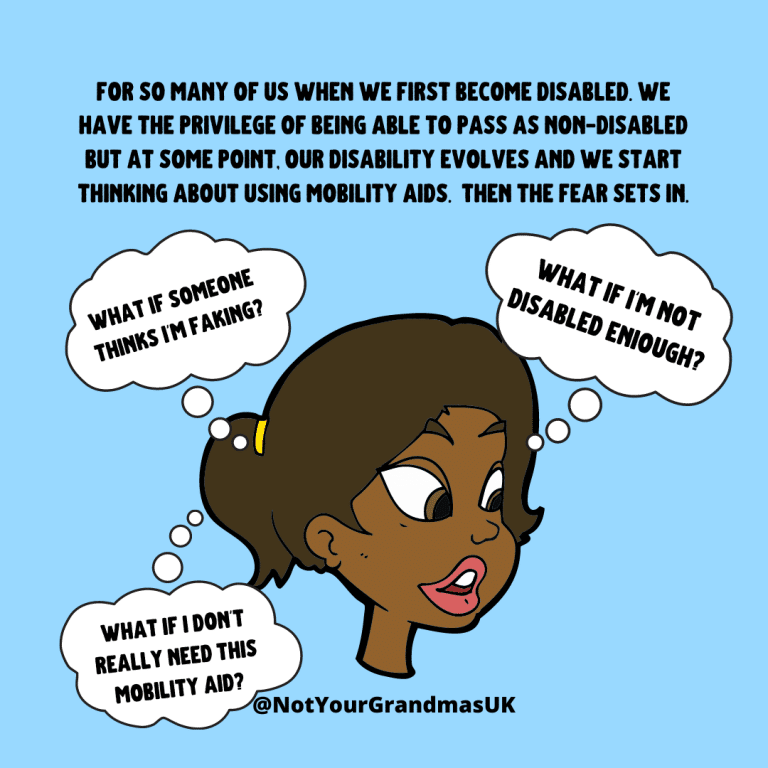
There is nothing quite like the first time you go out with a new mobility aid. It doesn't matter if this is your first time using one or you've just upgraded from one type to another. The questions, stares and insecurities all come flooding in and leave you wondering if you really need it. For a non-disabled person, this can be hard to imagine, with the idea that only people with obvious limb disabilities require mobility aids still a common attitude.
Who Needs Mobility Aids?
First up, let’s get something straight: if someone is wondering if they need a type of mobility aid, they need it. No one who does not need one to get around spends their time thinking about whether they should get one. It’s as simple as that.
But, once a person has made the choice to improve the management of their disability with a mobility aid, they have to learn to deal with the people in their lives (or perfect strangers) who just seem to ask the very question you’ve been dreading?
‘What happened to you?’
The battle cry of the uneducated. The instant indicator that you are in the presence of ableism and no matter how well versed in it you are, this isn’t going to be a fun ride. The question assumes so many things that to a disabled person it can feel like an attack.
So, how can we react to this dreaded question?
Rule 1 – No one, not even someone’s mum, is entitled to their medical information. So you don’t have to answer any questions if you don’t want to. A very swift “I don’t see how that’s any of your business” ought to remind people that they aren’t entitled to ask (and expect answers to) personal questions regarding any other person’s health.
Rule 2 – Sarcasm saves so diffuse the situation with humour. Tell them you had a fight with a bear and lost. Tell them you’re a secret agent and being disabled is your cover story because everyone ignores us anyway. Tell them whatever the hell you like. The more absurd the better. Enjoy the confusion on their face while they struggle to work out if you’re joking or not (curse those bears!).
Rule 3 – Shock factor, so they are really persistent and just won’t drop it? Time to pull out the big guns. Say something like “Since we’re asking intimate questions about each other’s bodies, when was the last time you had sex?” This should remind them that they wouldn’t ask a non-visibly disabled person questions about their body and health, emphasising that they’re overstepping the line with you so they, hopefully, won’t ask again.
Since we’re asking intimate questions about each other’s bodies, when was the last time you had sex?
Rule 4 – Dazzle them into submission. Decorate your mobility aids. Not only does it mean you like them more but it shocks the non-disabled so much they forget to ask the very important “What happened to you?”. Part of fighting disability stigma is showing our disabled pride – and nothing says ‘I’m proud of my mobility aids’ louder than a diamante encrusted walking stick or tie dye effect walker.
So, how do you feel confident as a visibly disabled person?
Basically, just go out and be your fabulous self! So what if some people stare a bit. Wouldn’t you sneak a glance too if you saw someone out as magnificent as you are? After all, they’re only human, they can’t help but be moved when they’re in the presence of greatness. Sometimes, it’s worth a few stares so you can be sure to live your life fully.
0 comments