

The diagnosis rollercoaster
Diagnosis is not the simple straightforward – go to doctor – doctor diagnoses – treatment – patient returns to health – we all wish it could be.
In fact, diagnosis isn’t very straightforward at all and just because someone has one, it doesn’t mean there aren’t other things that need to be investigated.
When it comes to chronic illness it’s unfortunately not a lone wolf and tends to like to hang out in a gang. This means there are often several diagnoses to be made, either all at once or (more likely) spread out across the years as new symptoms better or worsen. Each diagnosis will bring its own challenges and range of emotions.
The other thing you also need to understand is that modern medicine is still very limited and there are a LOT of things we don’t know (not that any doctor will admit to that).
And, most importantly of all, it is not a given that your doctor will listen to you and do everything in their power to help. In fact, the first couple of times they are probably going to ignore the issue
The other thing you also need to understand is that modern medicine is still very limited and there are a LOT of things we don't know (not that any doctor will admit to that).
With all that in mind, diagnosis is not the simple, linear process many family and friends presume it is. There can be lots of backwards and forwards to different appointments and specialists, numerous tests, dismissive doctors and many years of difficult days in various health settings before a diagnosis is reached.
It’s certainly not perfect. Some steps we seem doomed to repeat again and again until we find someone willing to listen. However, understanding that the diagnosis process is a difficult and uncertain time for your loved one is the first stepping stone to understanding what they are going through.
It’s not like chronically ill people truly hate the healthy ones. We really don’t. It’s just sometimes the lack of understanding for what it’s like to live in a chronically ill body really gets to us. For some people seeing really is believing so if somebody doesn’t look unwell they can’t truly believe they are, which is a terrible attitude and unfortunately it’s something all chronically ill people have to face at some point..
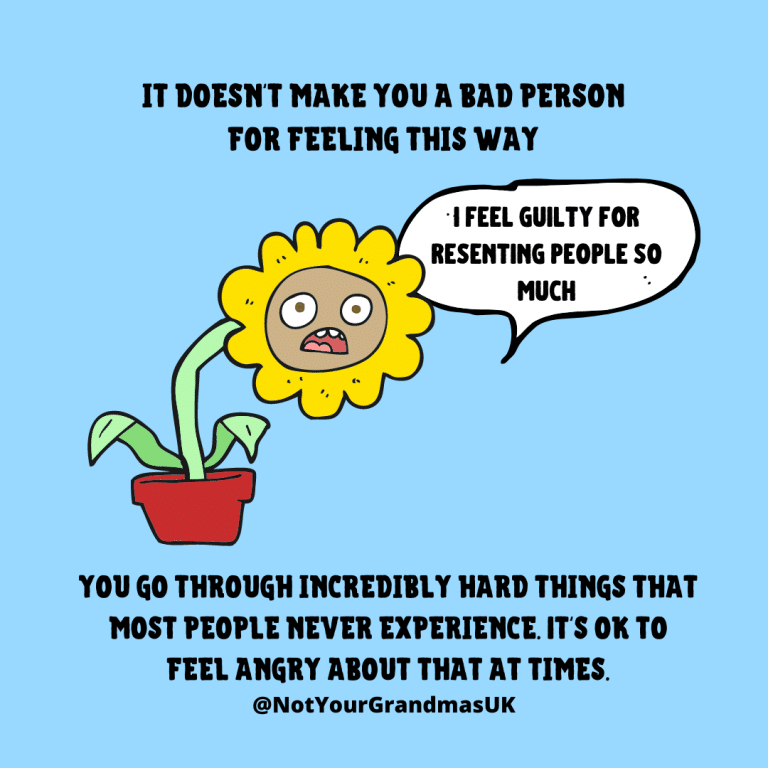
Being annoyed at attitudes like these doesn’t make me a bitter person. Chronic illness is tough and it’s normal to look at other people’s seemingly easier problems and feel a little bit of resentment. People do it all the time when they see someone with more money or a better job, well seeing someone with better health is just the same – or worse even.
So, how do we support a loved one through this?
Just listen – sometimes the biggest issue is our doctors’ refusals to hear our concerns. Validating and assuring your loved one that they are doing the right thing is massive and should never be overlooked.
Offer to go to appointments with them – two minds are better than one and feeling like you have back up when trying to get a doctor or specialist to listen means the world to us (particularly useful if a previous bad experience means health settings aren’t thought of as a ‘safe zone’ by your loved one).
Help them keep a symptom diary – It’s easy to forget all the details, especially when you are fighting brain fog. Help us keep track of it if you can.
Don’t tell them how to handle it – for the love of everything good do not suggest yoga or anything else unless we ask you to. So many people want to weigh in on what we should be doing but, at the end of the day, you don’t live in our bodies.
Above all, just love us. Trust that we are doing the best we can and, if in doubt of how to offer support, just ask us!
0 comments